Aloe vera is an ancient plant. And by ancient, we mean ancient. And the healing properties have been known since forever: It’s even mentioned in one of the oldest preserved medical documents in the world. For the last 50 years aloe vera has grown in popularity. It became a household name worldwide. Known for its healing and moisturizing properties.
But did you know that not every aloe vera plant is the same? That the strength and effect depend hugely on where and how it’s grown? If you ever use products containing aloe vera, this is what you should know.
Let’s zoom out first: what is aloe vera exactly?
Aloe vera is a succulent that grows in a dry environment. The thick, fleshy leaves are great at retaining water. You can extract this water and use it as a skincare product, among other things. When you slice open the leaves, you'll find a gel that consists of 99% water, but also contains vitamins, minerals, and amino acids. When we talk about aloe vera, we are almost always talking about this gel.
Aloe vera has a very pleasant effect on the skin. The water provides hydration, and because it's a gel, it also retains that moisture. This works particularly well on skin that’s damaged from sunburn, but also from radiation therapy.
Aloe vera is powerful, but it’s claimed too loosely
Because aloe vera works so well in certain situations, it sometimes gives the impression that it can cure everything. Too many claims are made about it. Brands include tiny amounts of aloe in their products and make major claims.
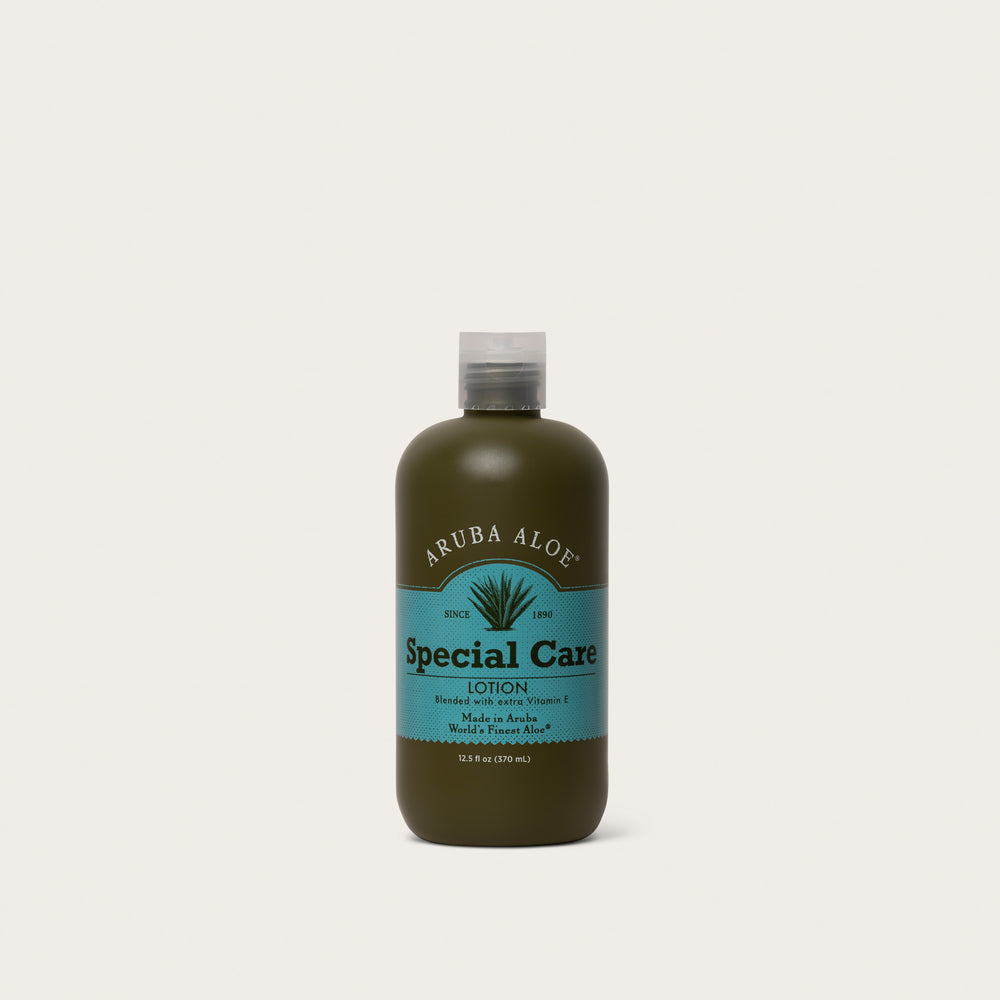
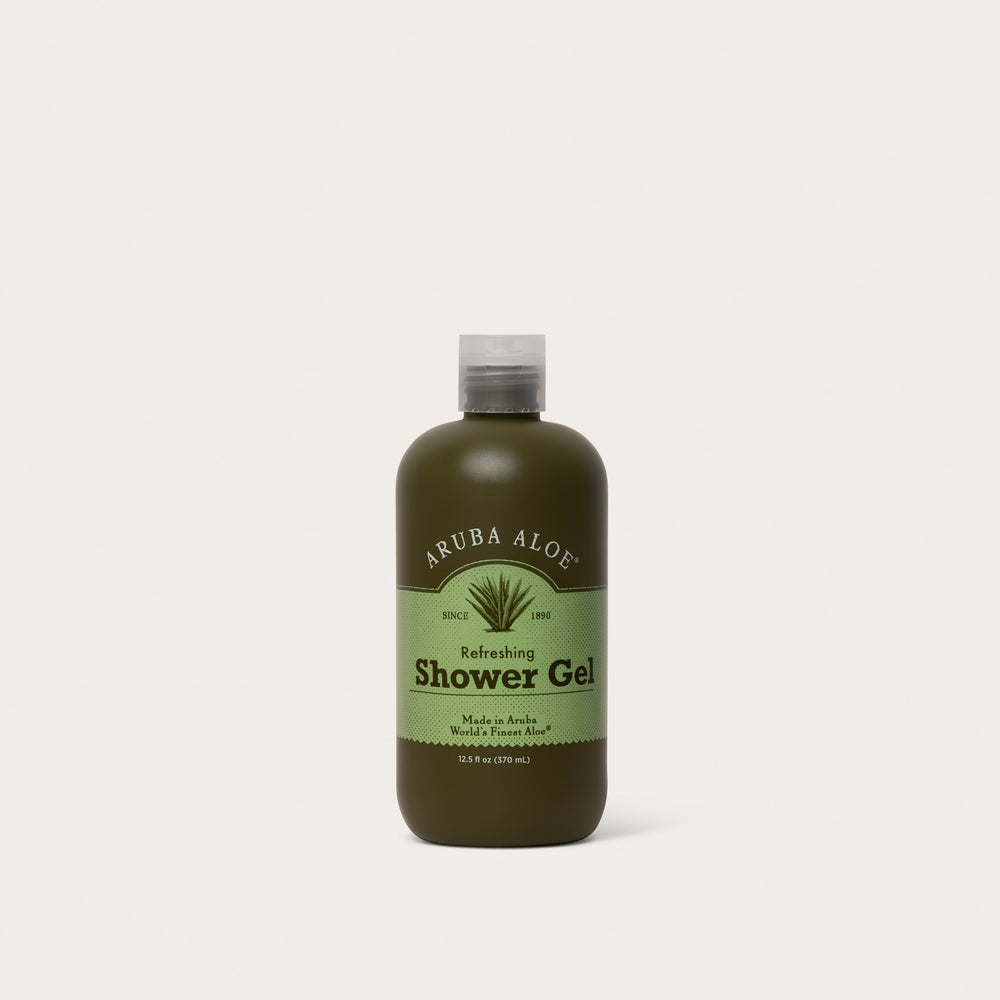
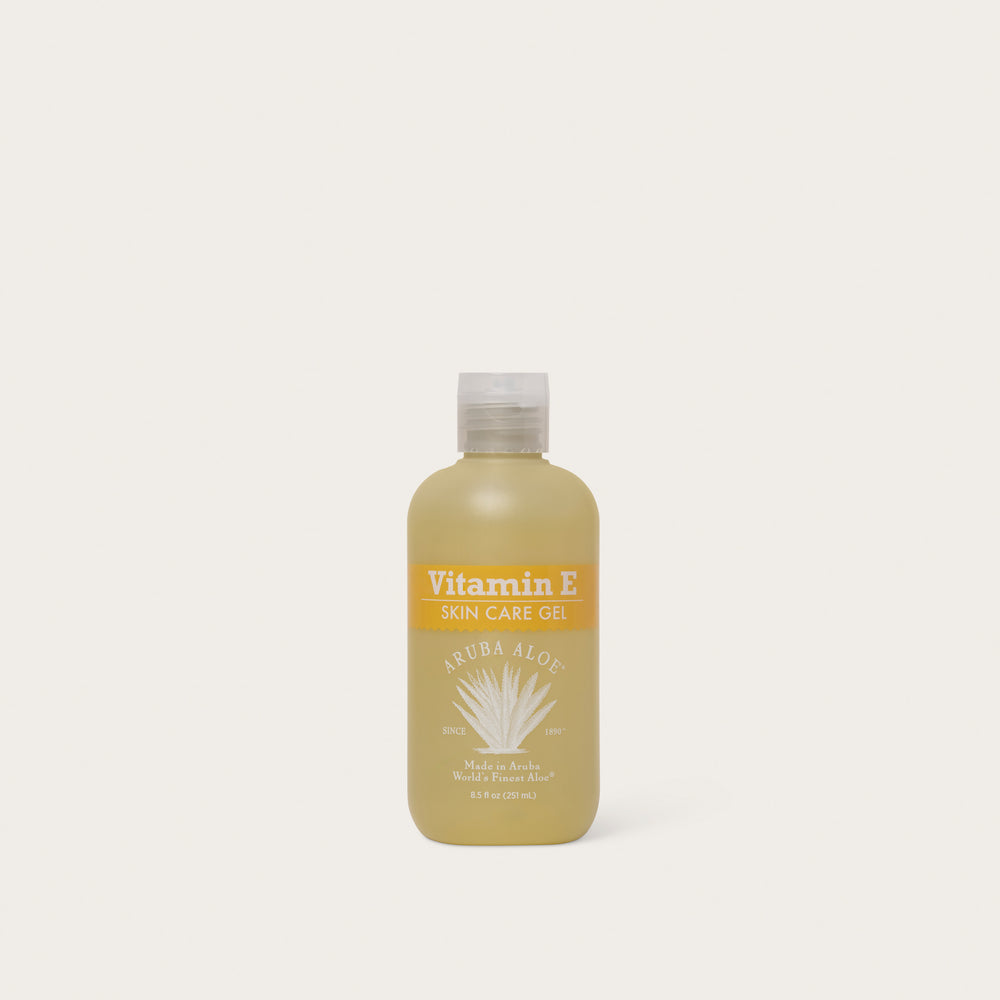
Aloe vera is typically a skincare product. And the extent to which it works depends on the amount of aloe that is used. We, for example, use substantial amounts of aloe gel in our products. Up to 45%. We conducted clinical research at Ghent University with thousands of patients with burn injuries. There we saw that a high percentage of pure gel makes a huge difference.
Most products use an aloe concentrate, which is less powerful
Besides the percentage of aloe vera in your product, it is also important to look at how the aloe is processed. A lot of products use an aloe concentrate, not the pure gel. Because of that, it could lose some of its potency. How much exactly depends on the process.
Aloe vera has numerous active ingredients that make it work so well on the skin. The amino acids, the vitamins, the minerals. If you concentrate it, into a powder form for example, you get a product that isn't really aloe anymore. You lose active substances, making it less potent.
Aloe grows all over the world, but it’s not the same everywhere
Aloe vera fields can be found all over the world. From China to Chile, from Mexico to the US. Often, the aloe plants grow in a different climate than the one they originally came from. As a result, the plants grow differently. They look different. For example, too much water or not enough sun causes the leaves to grow long and thin instead of short and thick.
But the real difference occurs inside the plant itself: because the aloe has to survive in suboptimal conditions, its composition changes. Some healing properties are even completely gone. Antioxidants and vitamins are lost. To get a bit technical: the level of active substances like acemannan – responsible for the immune-boosting, anti-inflammatory, and wound-healing effects – drops drastically if the plant doesn't get the intense sun and stable warmth it needs.
In short: where the aloe vera plant grows makes all the difference. Yes, aloe vera can grow in a more humid, cloudy, or colder climate, but it's not the same plant.
In Aruba the conditions for the aloe vera plant are perfect
Aloe vera originally comes from South Africa. In 1840, the plant was introduced to Aruba. It soon became clear that the plant felt right at home here, under Aruba's sun.
And it actually makes sense: the conditions on Aruba are practically identical to those in South Africa. We have a dry, calcareous soil. Plenty of sun, little rain. The exact conditions found in Aruba cannot be found in any other aloe-producing country. In most countries the soil is completely different. There is less sun. It’s colder and more humid. Plants die off sooner. They are not growing in their natural environment. And as we said before: that impacts the quality of the plant.
In Aruba, the plants grow in their natural habitat, which simply creates a better, more potent product. There is a reason why Aruban aloe vera is considered the best aloe in the world.
The aloe vera plant is an icon on our island
The potency of Aruban aloe didn’t go unnoticed. As early as the 19th century, it became a major industry on our island. We were given the title ‘Island of Aloes’. Aruba's economy began to grow around the aloe vera plant. Cornelis Eman started trading aloe products. Later, we became the largest aloe exporter in the world. It has taken on an important place in our culture. You can find an aloe plant in Aruba's coat of arms. The houses on our island are decorated with illustrations of aloe. But most importantly, it’s in the minds and hearts of our people. The pride in aloe, the love for the plant. That is exactly what you’ll feel in our skincare.